Managing Gout: A Practical Step-by-Step Plan
Gout is a form of arthritis that can cause sudden and intense joint pain, often in the big toe. It happens when uric acid builds up in the blood and forms sharp crystals in a joint. While the flare-ups can be debilitating, the condition is manageable. A clear, step-by-step approach can help you reduce the frequency and severity of attacks and protect your joints over the long term.
Step 1: Understand what triggers a flare
The first step in treating gout is knowing what sets it off. Uric acid is a normal waste product from the breakdown of purines, substances found in many foods and drinks. When your kidneys cannot filter uric acid out fast enough, or when your body produces too much, levels rise. Once uric acid levels in the blood pass a certain threshold, crystals can form in a joint. Common triggers include eating large amounts of purine-rich foods (red meat, organ meats, shellfish), drinking alcohol, especially beer, and being dehydrated. Sudden changes in uric acid levels, whether up or down, can also start a flare. So rapid weight loss or starting a new medication without medical guidance might bring on an attack. Watch for early warning signs like a mild ache or stiffness in a previously affected joint, and pay attention to what you ate or drank in the previous 24 to 48 hours. Keeping a simple log can help you identify your personal triggers over time.
Step 2: Get a proper diagnosis
If you suspect you have gout, or if you have had one flare, it is wise to have a doctor confirm it. A physical exam and a blood test that measures uric acid levels are standard. Sometimes fluid is drawn from the affected joint to look for crystals under a microscope. This step is important because other conditions, such as pseudogout or an infection, can look similar. Once gout is confirmed, your doctor can recommend a treatment plan that fits your uric acid levels, kidney function, and overall health. Do not rely on home tests or online symptom checkers alone for diagnosis.

Step 3: Manage the acute flare
When a flare hits, the goal is to reduce pain and inflammation quickly. Over-the-counter nonsteroidal anti-inflammatory drugs (NSAIDs) such as ibuprofen or naproxen can help, but check with your doctor first if you have kidney issues or take blood thinners. For severe pain, prescription medications like colchicine are sometimes used. Colchicine works best when taken within the first 24 hours of a flare, but it can cause stomach upset. Another option is a short course of corticosteroids, either by pill or injection into the joint. Apply ice to the joint for 15 to 20 minutes several times a day to calm swelling, and rest the joint as much as possible. Avoid massaging or forcing movement through the pain, as this can worsen irritation. Most flares settle within a few days to a week if treated promptly.
Step 4: Lower uric acid levels between flares
Long-term management of gout depends on keeping uric acid levels below the point where crystals form. For many people, this means taking a daily medication that either reduces uric acid production or helps the kidneys excrete more of it. Allopurinol is a common first-line drug that lowers uric acid production. It is usually taken once a day and can take several weeks to reach full effect. Another drug, febuxostat, works similarly. For those who do not produce enough uric acid but do not excrete it well, probenecid may be an option. Your doctor will decide which medicine is right based on your blood work and medical history. Do not start or stop these medications without professional guidance, as big swings in uric acid levels can themselves trigger flares. It is also important to have your uric acid levels checked periodically to see if the dose needs adjusting.
Step 5: Make targeted dietary changes
Diet plays a supporting but real role in gout treatment. You do not need to follow an extreme diet, but reducing high-purine foods can help. Limit red meat, shellfish, and organ meats. Choose lean poultry or fish in moderate portions. Avoid sugary sodas and fruit drinks sweetened with high-fructose corn syrup, as fructose raises uric acid levels. Drink plenty of water throughout the day to help your kidneys flush out uric acid. Some people find that moderate amounts of coffee or vitamin C supplements are helpful, but check with your doctor first. On the other hand, cherry extract has been noted in some discussions for its potential to lower uric acid or reduce inflammation, though it is not a substitute for medical treatment. If you use it, do so as part of a broader plan. A balanced diet that keeps your weight stable and your hydration up is the foundation.

Step 6: Stay hydrated and watch your weight
Dehydration is a common and preventable trigger for gout. When you are low on fluids, your blood becomes more concentrated, making it easier for uric acid to crystallize. Aim for enough water so your urine is pale yellow. During hot weather or after exercise, drink extra. Weight matters too. Extra pounds put more stress on joints and can raise uric acid production. Losing weight gradually, no more than one to two pounds per week, helps lower uric acid levels. Rapid weight loss, especially through crash diets, can release stored uric acid from fat cells and cause a flare. So take a steady approach. Physical activity is good for joint health and weight control, but if a joint is sore, choose low-impact options like swimming or cycling.
Step 7: Consider supplements that support joint health
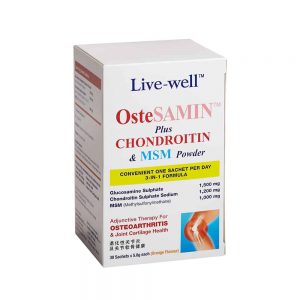
Some dietary supplements are thought to help with joint inflammation and overall joint comfort. For example, omega-3 fatty acids from fish oil can support a healthy inflammatory response. Vitamin C in moderate amounts may help lower uric acid levels, but high doses can increase oxalate in the urine, which is a risk for kidney stones. Other supplements such as tart cherry extract or quercetin are sometimes used for their antioxidant properties, though evidence varies. If you are interested in adding a supplement, look for products from a source you trust. A site like livewell2u.com offers a range of targeted formulas that include vitamins, minerals, and herbal extracts aimed at joint and general health support. Always discuss new supplements with your doctor, especially if you are on prescription gout medication, to avoid interactions. Supplements are not a replacement for medical treatment but can be part of a comprehensive approach.
Step 8: Monitor and adjust over time
Gout treatment is not a one-time fix. Uric acid levels can change due to new medications, shifts in diet, or changes in kidney function. Have your uric acid checked at least once a year, or more often if you have flares. If your levels stay low and you have no flares for a long period, your doctor might lower your medication dose. Conversely, if you have a flare after a period of good control, review your triggers and see if something changed. Keep a simple record of flares, what you ate, your stress level, and any medication changes. This pattern can help you and your doctor fine-tune your plan. For many people, gout becomes a condition they manage rather than one that manages them.
Step 9: Know when to see a specialist
If you have frequent flares, trouble controlling uric acid levels, or joint damage from past attacks, consider seeing a rheumatologist. A specialist can help with advanced treatment options, such as combining different medications or managing tophi (uric acid crystal deposits under the skin). They can also evaluate if other health problems, such as kidney disease or high blood pressure, are complicating your gout. For most people, however, a primary care doctor and a clear self-care plan are enough. The key is to treat the condition early, stick with the basics, and stay in communication with your healthcare provider. Resources like livewell2u.com can help you find supportive products for joint health, but they work best as part of a full plan that includes medical guidance, dietary awareness, and lifestyle adjustments.